|
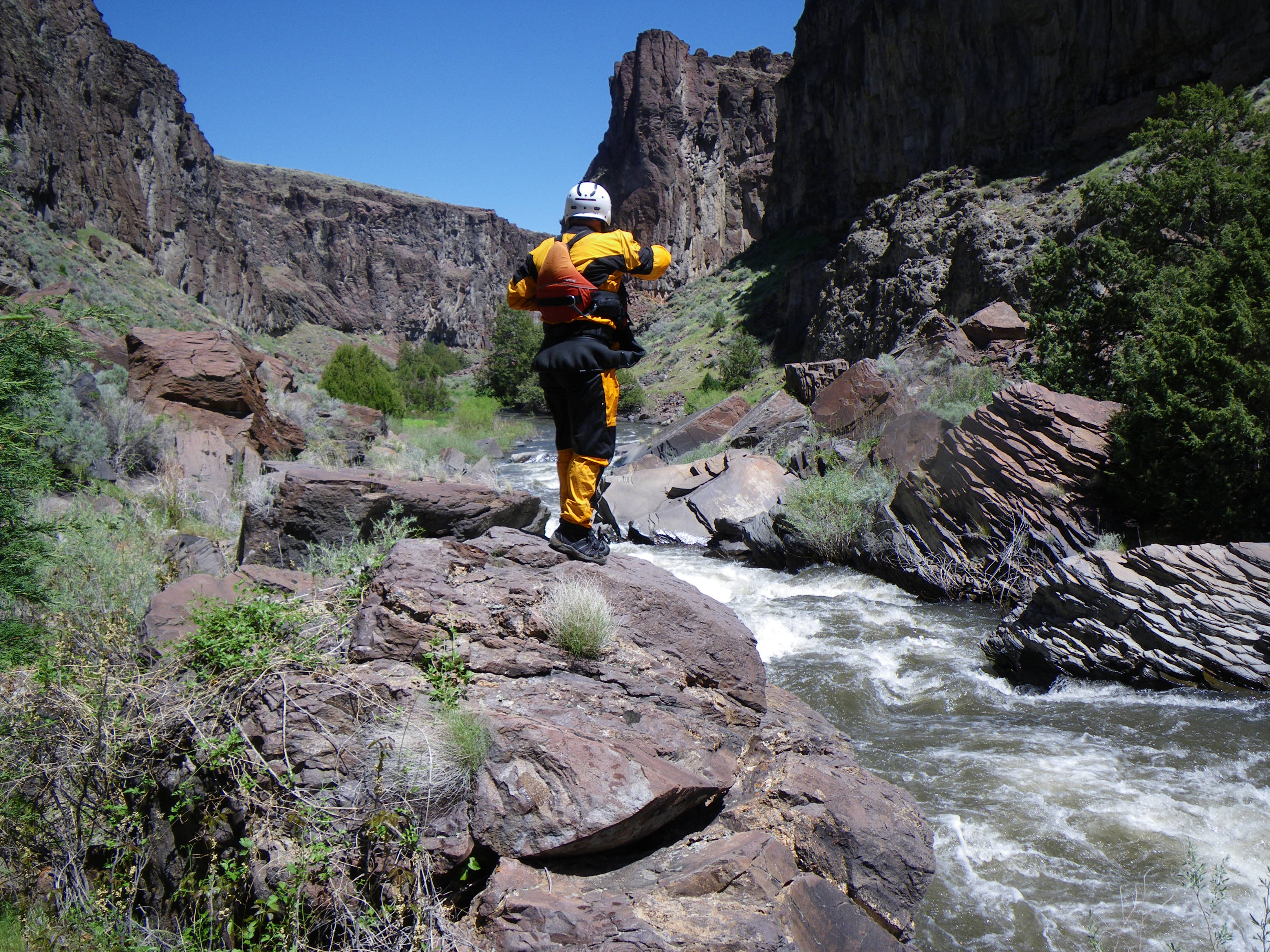
A whitewater kayak can carry one into areas
inaccessible by any other practical means.
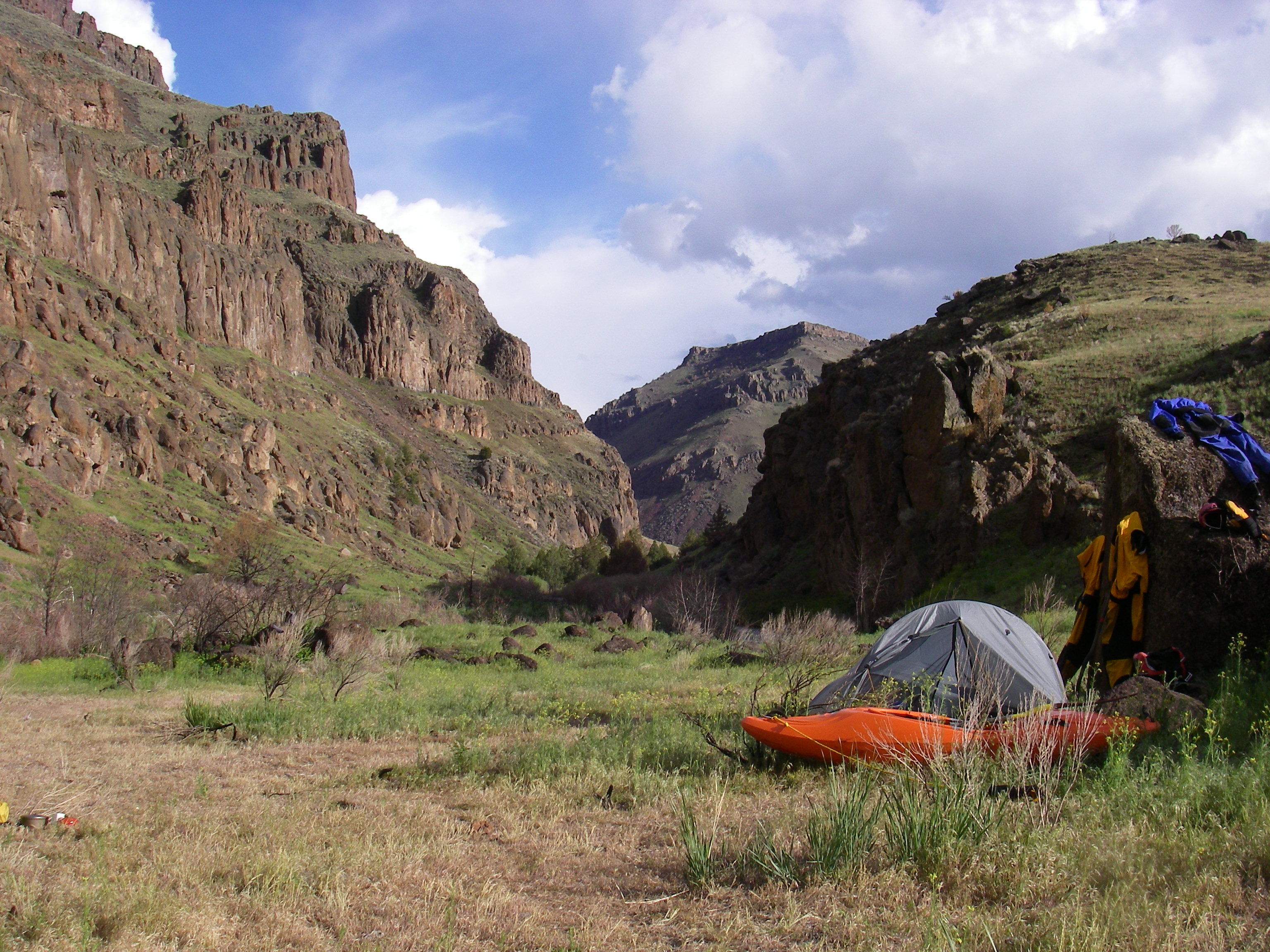
 Add camping gear and one can dance with Mother Nature’s
diversity in the most remote and pristine places on
earth. In the process, logistical fortitudes are tested,
friendships solidified, and the soul fed all the adventure
it hungers for and sometimes more. There is no finer
way to explore and experience the natural world than
from the seat of a kayak, self-support style.
Add camping gear and one can dance with Mother Nature’s
diversity in the most remote and pristine places on
earth. In the process, logistical fortitudes are tested,
friendships solidified, and the soul fed all the adventure
it hungers for and sometimes more. There is no finer
way to explore and experience the natural world than
from the seat of a kayak, self-support style.
 But
how does this relate to Earthen Exposure and its revolving
health theme? Good question! While kayaking is considered
a low-impact sport by virtue of being human powered,
we should be careful to not kid ourselves. Kayaking
is not without repercussions. Each time we check our
paddle in as luggage*, load our kayak on a car, or purchase
a new piece of gear, we indirectly add to a host of
real problems. In the midst of feeding our desires and
self-importance, we become that single raindrop believing
it isn't to blame for the flood. On the other hand,
I believe self-support can foster the kind of awareness
in ones surroundings that facilitates a deeper respect
for nature...the kind of regard needed to fully appreciate
the current problems and more importantly, the ones
future generations could be faced with. While the ego
will dilute the experience for many, for others, the
connection made while deep in remote canyons will be
undeniable. It will become understood that the natural
world is more than our personal playground... understood
that it is something of a miracle in which words can
not adequately articulate... something morally defensible. But
how does this relate to Earthen Exposure and its revolving
health theme? Good question! While kayaking is considered
a low-impact sport by virtue of being human powered,
we should be careful to not kid ourselves. Kayaking
is not without repercussions. Each time we check our
paddle in as luggage*, load our kayak on a car, or purchase
a new piece of gear, we indirectly add to a host of
real problems. In the midst of feeding our desires and
self-importance, we become that single raindrop believing
it isn't to blame for the flood. On the other hand,
I believe self-support can foster the kind of awareness
in ones surroundings that facilitates a deeper respect
for nature...the kind of regard needed to fully appreciate
the current problems and more importantly, the ones
future generations could be faced with. While the ego
will dilute the experience for many, for others, the
connection made while deep in remote canyons will be
undeniable. It will become understood that the natural
world is more than our personal playground... understood
that it is something of a miracle in which words can
not adequately articulate... something morally defensible.
So,
get out there... but immerse yourself, observe, and
experience self-support for everything it is. In the
process, I humbly suggest considering how you might
lessen your impacts in everyday life. Then, be good
to your thoughts... and words. Walk the walk. There
is no greater gift we could leave our successors than
clean air to breath, unadulterated water to drink, and
wild places in which they too will have the opportunity
to make those connections... to recognize that miracle
under their feet and before their eyes.
“Certainly,
travel is more than the seeing of sights; it is a change
that goes on, deep and permanent, in the ideas of living.”
Miriam Beard

“Anyone
Can Hear The Water Speak”
by Bill Chisholm is a nice little read about our connection
to nature and the importance it plays in everyday
life.
This section
of Earthen Exposure happened rather haphazardly and
originated from hand written notes I started taking
in 1992 while experimenting with different self-support
loads. Meant to serve as a reference tool for myself
(and to appease my anal-retentiveness), these notes
migrated to my hard-drive and accumulated there as
I learned to type with the efficiency of a secretary.
It then dawned on me while planning Earthen Exposure
to compile these notes, along with some things discovered
on the range during my unconventional
early years, and make it available to others.
These
ever evolving notes are geared for the experienced whitewater
kayaker interested in self-support. However, other lightweight
travelers such as backpackers, sea kayakers, and those
who tour on bicycles etc may also find useful ideas.
Regardless, this stuff is not gospel, or the only way.
There were paddlers and other fanatics of lightweight
travel figuring these things out when I was still messing
my britches. Use what you find here as guidelines and
idea sparkers then watch your own discoveries flow.
Begin here and if you have
suggestions or comments, please email
me.
WARNING
These pages are not instructional nor
for the beginning kayaker. You need to get proper instruction.
Even then, whitewater kayaking is dangerous. Kayaking
in remote places with a loaded kayak intensifies the
danger. The risks may involve serious injury or death.
The decision to accept that is entirely your own. I
shall have no liability or responsibility to any person
with respect to personal harm, death, or property damage
caused indirectly or directly by any material found
in these web pages.
In
memory of our friends who loved expeditionary self-support
paddling: David Norell and Andy Zimet. Both did a number
of exploratory runs on obscure creeks in Idaho, British
Columbia, and elsewhere. David did the first modern
descent of the now acclaimend NF Stein in BC. Andy was
the quintessential explorer, thriving on soloing and
runs with challenging access in the Western U.S., BC,
and Asia.
David
Norell memorial site
Story
on Andy Zimet
A
few of Andy's earlier paddling adventures
*A
737 jetliner burns 866 gallons of fuel per hour.
|